







Long-term methods
Contraception to prevent pregnancy for a long time.
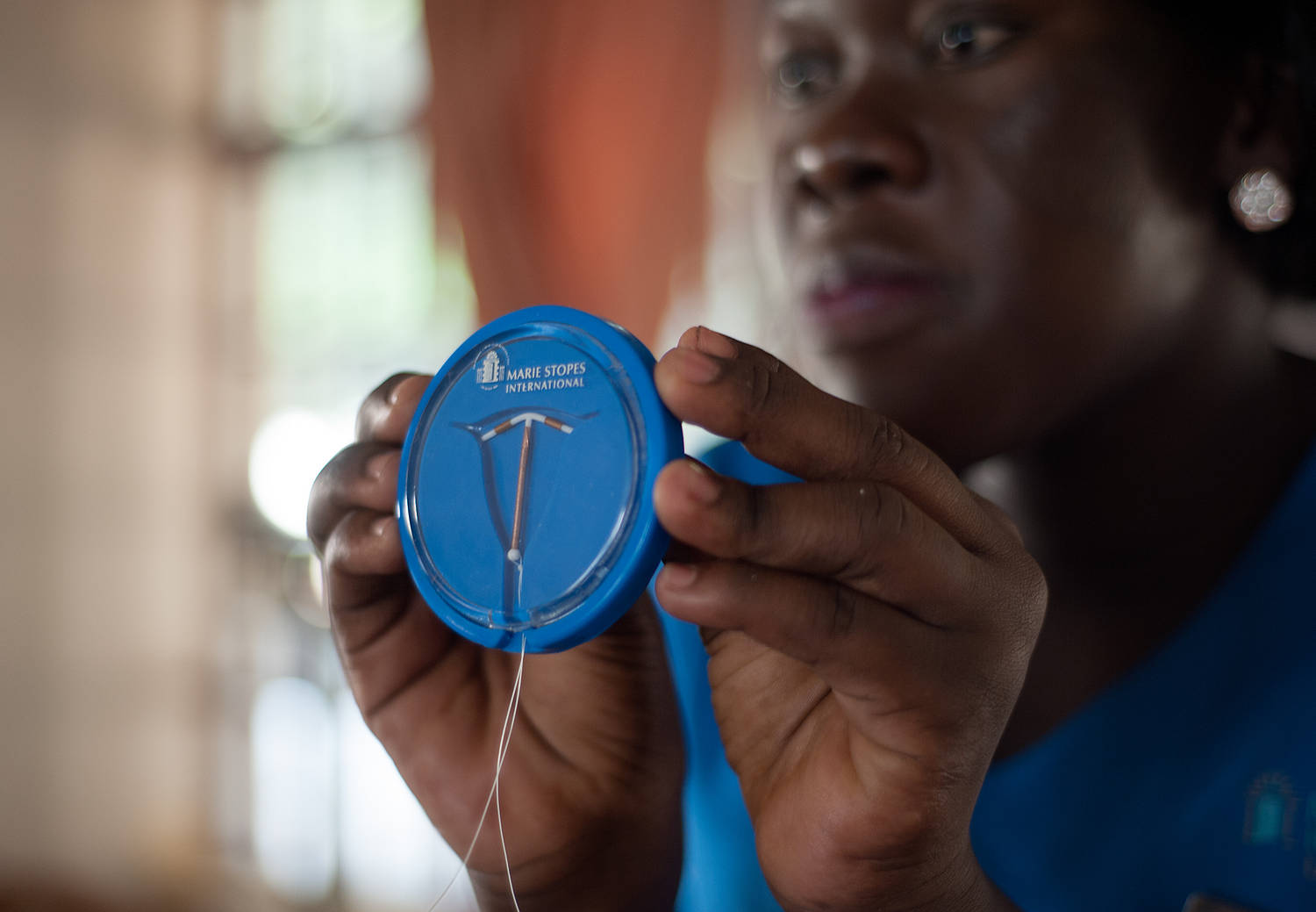


Long-term contraceptive methods are effective at preventing pregnancy for a long time – often several years.
They are reversible so you can plan a future pregnancy at a time that’s right for you. They also don’t interrupt sex, so once they’re fitted you can forget about them.
Compare the features of the different long-term methods in the table below to find the one that’s right for you.
Talk to us
WhatsApp us on 0755 896 996 or email us to book a contraception consultation.
Efficacy with perfect use
Efficacy with typical use
Hormonal or non-hormonal
Effect on periods
Alleviates painful / heavy periods
Protects against sexually transmitted infections (STIs)
Protection length
Effect on fertility
Implant
Injection
IUD (copper coil)
IUS
More than 99%
More than 99%
More than 99%
More than 99%
More than 99%
94%
More than 99%
More than 99%
Hormonal (progestogen-only)
Hormonal (progestogen-only)
Non-hormonal
Hormonal (progestogen-only)
Bleeding pattern can be unpredictable. Your periods may become irregular, lighter, heavier or longer
Bleeding pattern can be unpredictable. Your periods may become irregular, heavier, shorter, lighter or stop altogether. There is a trend towards less bleeding the longer you use
Your periods may become heavier, longer or more painful, though this may improve after a few months
It can make your periods lighter, shorter or stop altogether, so it may help people who have heavy or painful periods
Yes
Yes
No
Yes
No
No
No
No
3 years
8 – 13 weeks (depending on type)
5 – 10 years (depending on type)
3 – 8 years (depending on type)
Fertility returns to normal immediately once removed
Can take up to 1 year for fertility to return to normal after it wears off
Fertility returns to normal immediately once removed
Fertility returns to normal immediately once removed
Take the contraception quiz
Our online contraception counsellor will help you understand the best contraception methods for you based on your lifestyle, preferences and medical circumstances.
- Personalised advice in a few minutes
- Tailored pros and cons for each method
- Ability to compare different methods

Contact us about contraception
WhatsApp us today on 0755 896 996 or email us to book an appointment.
Frequently asked questions about long-term contraception
Long-acting reversible contraception (LARC) is considered the gold standard in family planning because of its many benefits, including:
– They are highly effective at preventing pregnancy, more than 99%
– You don’t have to remember to use or take something daily, weekly, monthly or every time you have sex. Once these methods are in place you can forget about them for a long time.
– They don’t interrupt sex
– They are reversible – with most methods you can start trying for a baby almost immediately after stopping them
– Most of the hormonal methods can help with managing heavy or painful periods
If you need help deciding what method is best for you, contact us to book a contraception consultation.
Like with any method of contraception, there are some things you should consider before using a long-term method:
– The implant, IUD and IUS involve small insertion procedures. Contact us and we can talk you through this and answer any questions you have
– None of these methods provide protection against sexually transmitted infections (STIs). You will need to use a condom as well to protect against STIs.
– Some of the hormonal methods can bring side-effects such as weight gain, breast tenderness and irregular bleeding or spotting.
– The non-hormonal IUD can cause some people’s periods to be heavier, longer and more painful.
If you’re unsure what method to choose, speak to us and we can talk you through your options.
Other contraception available





Choosing the right contraceptive method for you
Finding the right contraception for you means being able to enjoy sex without worrying about unplanned pregnancy. Learn which method may be the best fit for your lifestyle.
Read more
When can I have sex without a condom with my boyfriend?
Find out what you and your partner need to consider before thinking about having unprotected sex.
Read more
Do I have a sexually transmitted infection?
Worried you’ve caught a sexually transmitted infection? The good news is most are treatable, especially if you catch them early.
Read more