



It’s not unusual for your periods to change over time. Bleeding can get heavier or lighter, and cramps can come and go. But sometimes, changes in your menstruation can be the sign of a problem.
Endometriosis, fibroids, pelvic inflammatory disease (PID) and sexually transmitted infections (STIs) can all cause menstrual problems. Find out what’s normal when it comes to periods, and when you should seek help.
Are my periods normal?
Most women have a period every 28 days, although anywhere between 21 and 40 days is normal.
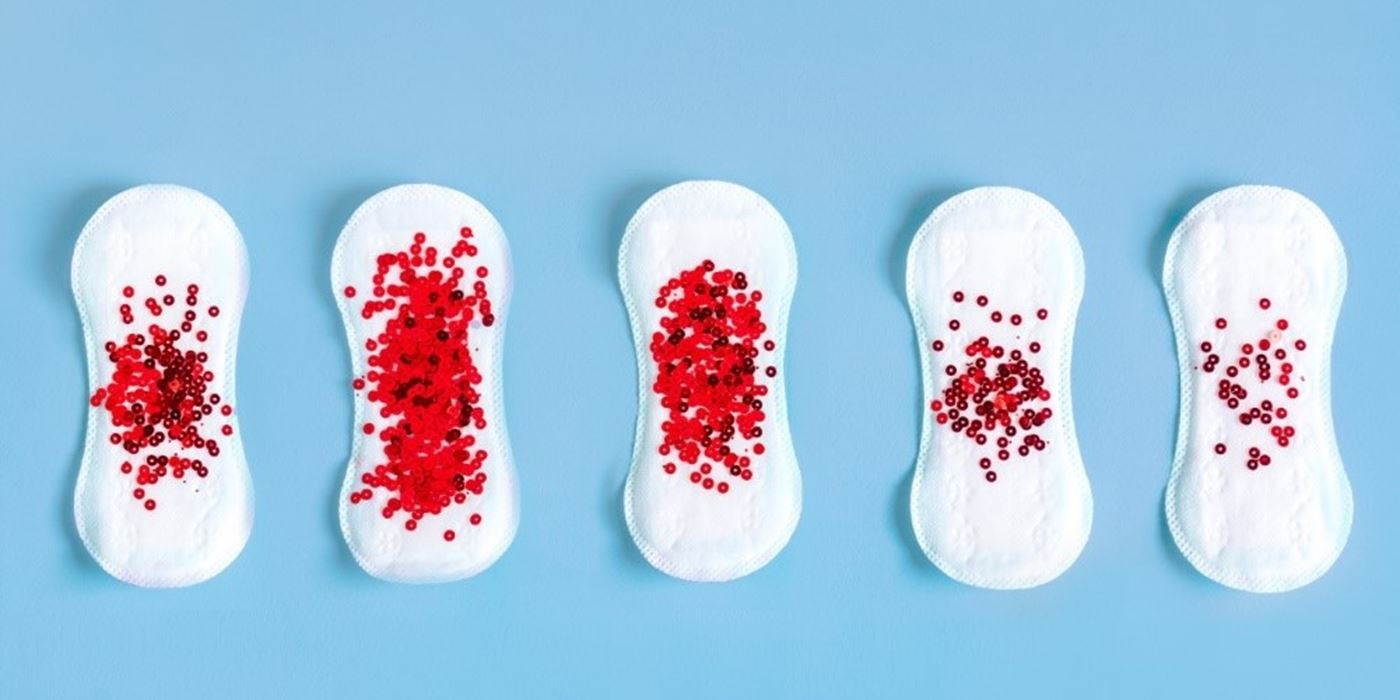
Generally, a period will last about five days. Your bleeding will be heaviest in the first few days. At this stage it’s usual for the blood will be very red. After that it will change to pink and then brown or black as the bleeding gets lighter. Most women lose around 2 or 3 tablespoons of blood during their period.
It’s very common to get cramps that start just before you get your period and last for up to three days. If you’re experiencing period pain, there are some things you can do to help. While exercise may be the last thing on your mind, just going for a walk can relieve your cramps. You can also try over-the-counter painkillers.
If you’re finding it hard to cope with the bleeding or the pain, it could be a sign of a problem. We offer menstruation counselling to help you get to the bottom of any issues – contact us to book your appointment.
What counts as a heavy period?
You may already suspect you have heavy periods but it can be hard to be sure.
One way to tell if your periods are heavier than they should be is if you’re getting through a sanitary pad every hour or two, or have to get up in the night to change your pad. Another sign is if you have clots of blood that are bigger than a 50 cent coin.
When to get help for heavy and painful periods
If you’re bleeding so much that it’s making your life difficult, it’s time to get it checked out.
Even if nothing serious is causing your heavy periods, losing extra blood each month can lead to an illness called anaemia, which can make you feel unwell and very tired.
Other things to get checked out for include:
- You notice a change to the period pain you’re experiencing
- Your period arrives much earlier or later than it normally does
- You’re bleeding in between periods or after sex
Our team of experts is here for you, from missed periods to heavy flows, we’ve seen it all. WhatsApp us today on 0755 896 996 to get control over your menstrual cycle.
What causes changes to periods?
If you’ve just started taking the pill or another hormonal contraceptive, you’ll probably notice your periods changing. Some contraceptive methods can cause your periods to get lighter or stop altogether. While others – like intrauterine devices (IUDs) – can cause your periods to get heavier.
Your periods should settle into a regular pattern again after a few months, and shouldn’t be so heavy you can’t cope. However, if you find that your contraception isn’t fitting your lifestyle, we can help you find a new method that suits your needs.
If you’ve been having unprotected sex and your periods have stopped, you could be pregnant. You can come to one of our clinics for a pregnancy test so that you know for sure.
Other conditions that could affect your periods include:
Fibroids
Fibroids are lumps which grow in or around the womb. They’re not cancerous, but they can cause a range of issues including:
- Painful, heavy periods and bleeding between periods
- Pain or pressure in your lower tummy or back
- Constipation or feeling the need to wee a lot
- Pain or discomfort when you’re having sex
They can vary in size from a pea to a melon. The bigger they are, or the more fibroids you have, the more likely it is you’ll get symptoms.
Depending on how badly affected you are, they can also be to blame if you’re finding it hard to get pregnant.
Pelvic inflammatory disorder or disease
Pelvic inflammatory disease (PID) can be caused by sexually transmitted infections (STIs) like chlamydia and gonorrhoea that aren’t treated properly.
PID can cause pain in your lower tummy and bleeding between periods or when you have sex. Your vaginal discharge may change and you can sometimes have a fever too.
If you think you may have a sexually transmitted infection, visit your nearest MSI Tanzania clinic to get checked out.
Ovarian cysts
Ovarian cysts are sacs filled with fluid that grow on your ovaries. They are very common and usually go away on their own without you even noticing them.
But if they get very big, they can cause heavy periods and pain in your lower tummy.
Endometriosis
Endometriosis can cause very heavy, painful or irregular periods that are very difficult to manage. Endometriosis can also lead to infertility.
Endometriosis pain is usually worse during your period, but it can last throughout the month. It can also be worse when you wee or poo. You might also have pain during or after sex and feel sick, have constipation or diarrhoea.
You don’t have to suffer in silence. Whatever you’re experiencing, our menstruation counselling can help identify the issue and find a treatment plan to suit you. Call us toll-free on 0800 753 333 to book your appointment.
Ectopic pregnancy
An ectopic pregnancy is when a baby starts to grow outside your womb. You’ll usually miss your period but if it does arrive, it will look watery and dark brown. You may also have pain in your lower tummy down one side.
An ectopic pregnancy can’t be saved. It can become life-threatening if it gets big enough so it needs urgent treatment.
Where to get help for painful, heavy or irregular periods
If your periods have changed or you think you may have one of these conditions, get in touch with us or visit a MSI Tanzania clinic near you.
While you wait for your appointment, start keeping a diary of symptoms. It may help us work out the best treatment for you so that you can soon be on the way to recovery.